Archbishop Mitty High School, Class of 2027 · LinkedIn
Hi! I'm Sudhanva, a senior at Archbishop Mitty High School with a strong passion for biology, particularly immunology and microbiology. I am currently involved in research to deepen my understanding and contribute meaningfully to science, most recently using machine learning to support autism diagnosis in the Wall Lab at Stanford.
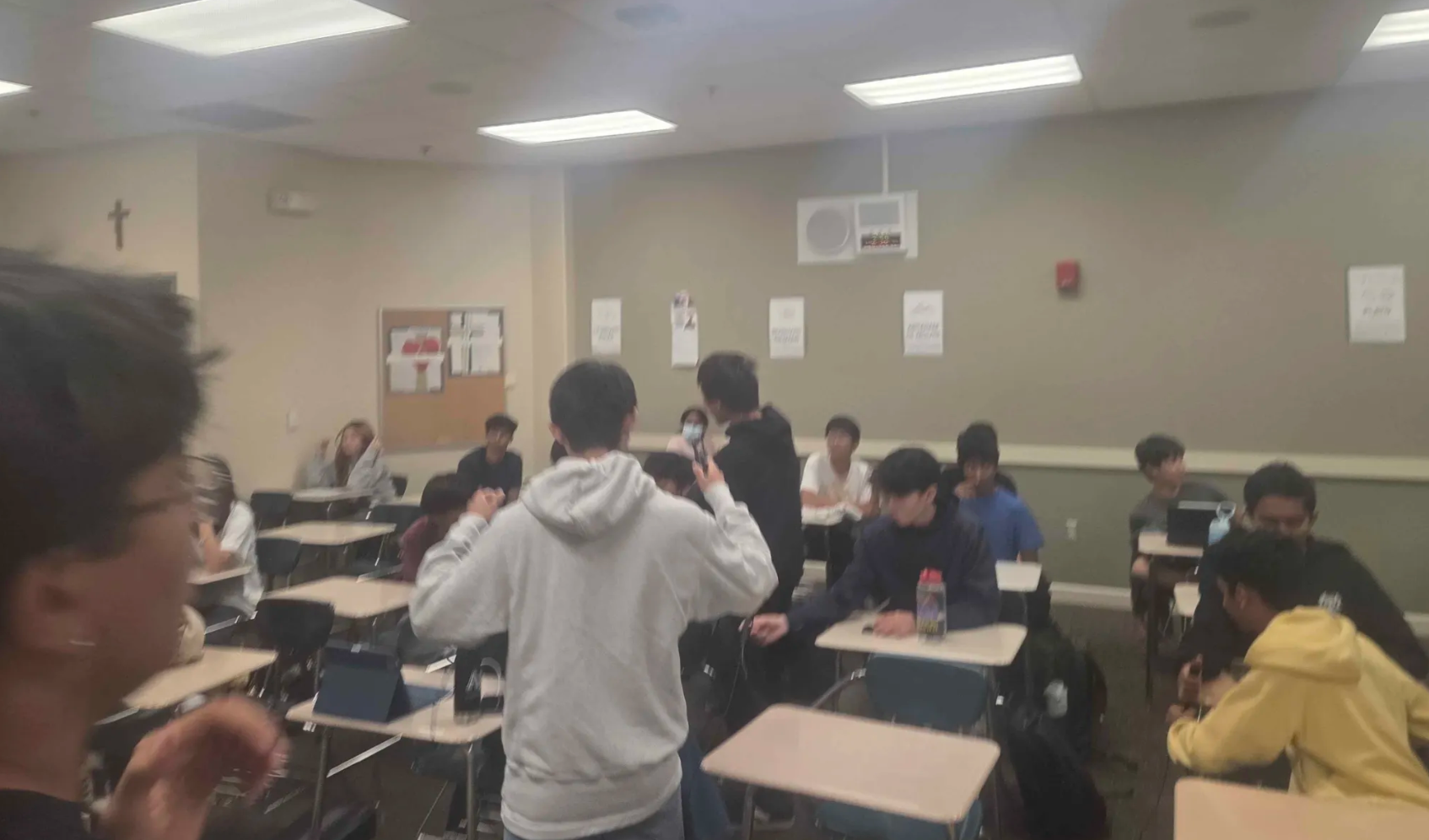
Beyond research, I serve as captain of my school's Science Bowl and Quiz Bowl teams and captain of the debate team, where I have learned to think critically and communicate precisely. I am also the President of the Indigenous Justice Coalition, where I work to advocate for Indigenous well-being.
Overall, I bring a dynamic blend of scientific curiosity, leadership, and enthusiasm to everything I do. For an up-to-date CV, please email me at sudhubelur27@mittymonarch.com.
Honors & Awards
Listed by school year, most recent first. Click an event to see the activity behind it. Research awards are on the Research page.
Activities
Academic competition, speech and debate, clubs, and sports.
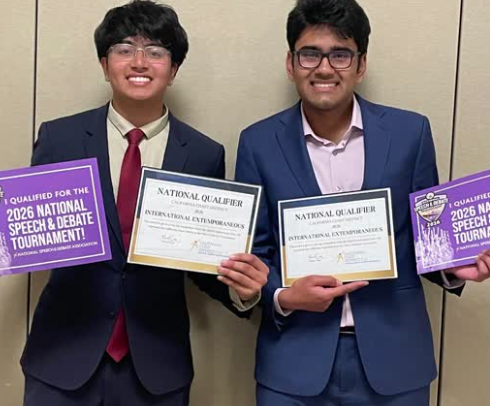
Team Captain, Speech & Debate; Vice President, Parliamentary Debate
Archbishop Mitty High School · Captain 2024–25 and 2025–26 · Extemporaneous Speaking, Parliamentary Debate
Extemporaneous Speaking: 30 minutes to prepare a seven-minute speech answering a current-events question, drawing on research into U.S. and world politics and economics
Parliamentary Debate: two-person teams argue a topic announced only 20 minutes before the round, relying on broad knowledge instead of prewritten cases
Help teammates prepare speeches and cases, and represent the team at local, state, and national tournaments
Lead the organization's 2,200+ students across 30+ chapters nationwide
Started the Department of Community Health to raise awareness of Indigenous health issues
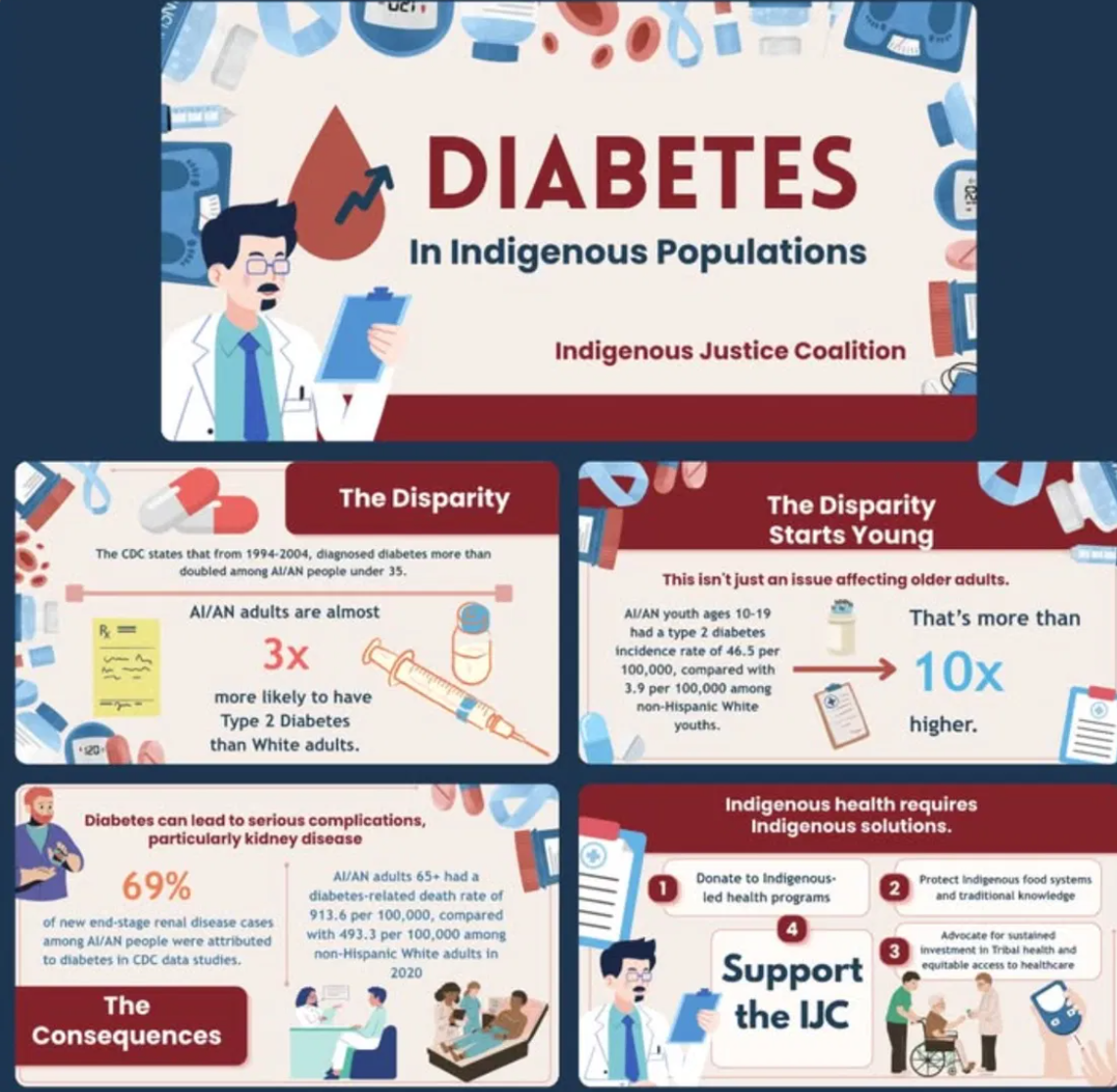
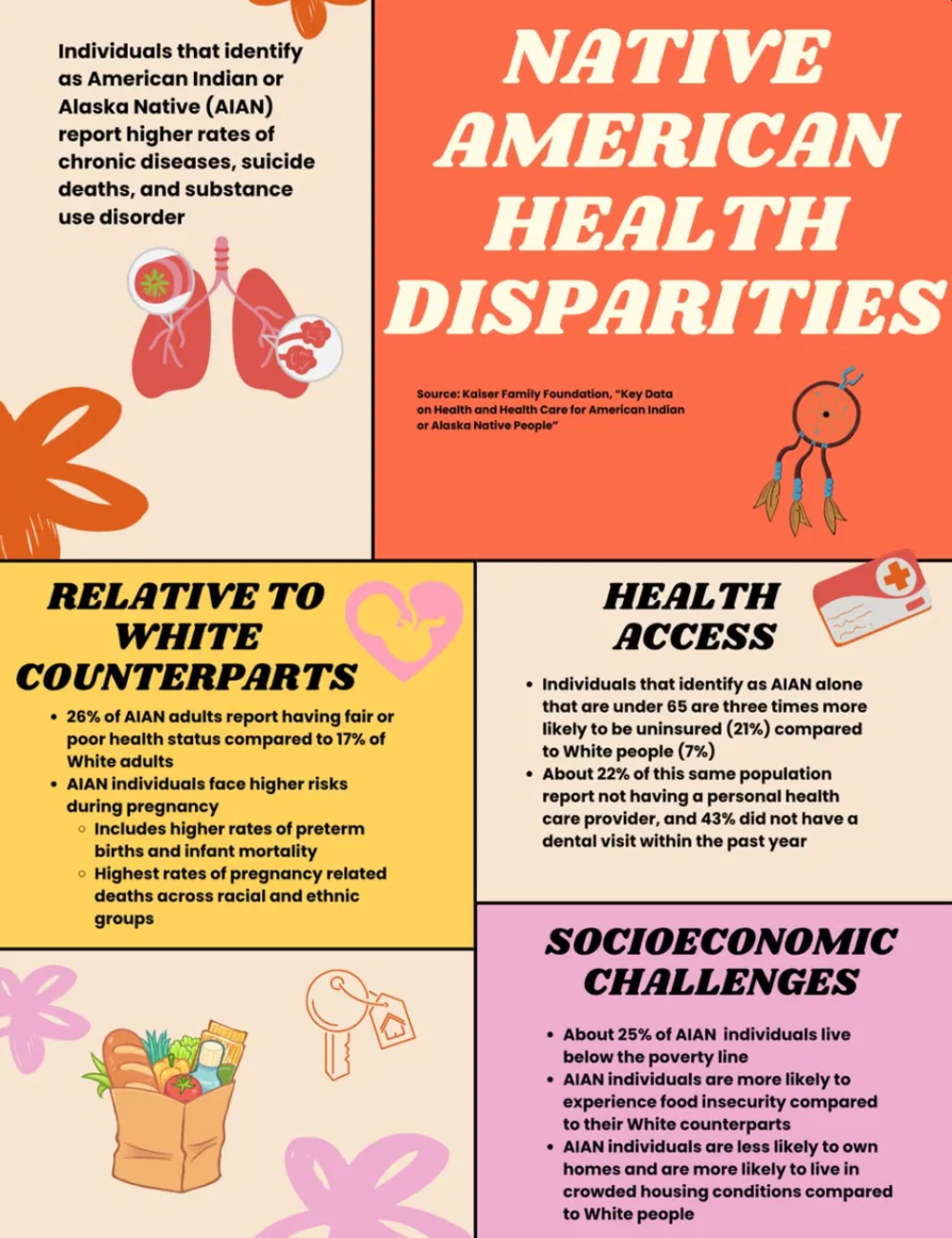
Launched a weekly health infographic series, in which the Department of Community Health posts infographics on Instagram about issues such as diabetes and health disparities in Indigenous communities
Helped secure a $500,000 California Air Resources Board (CARB) grant to build an app that monitors tribal air quality and environmental resources
Supporting development of that Tribal Air Quality app, which ties environmental monitoring to public health
Worked on a research paper analyzing federal recognition laws for tribes with Dr. Lee Panich of Santa Clara University (see Research)
Example infographics. Click to enlarge.
In the News
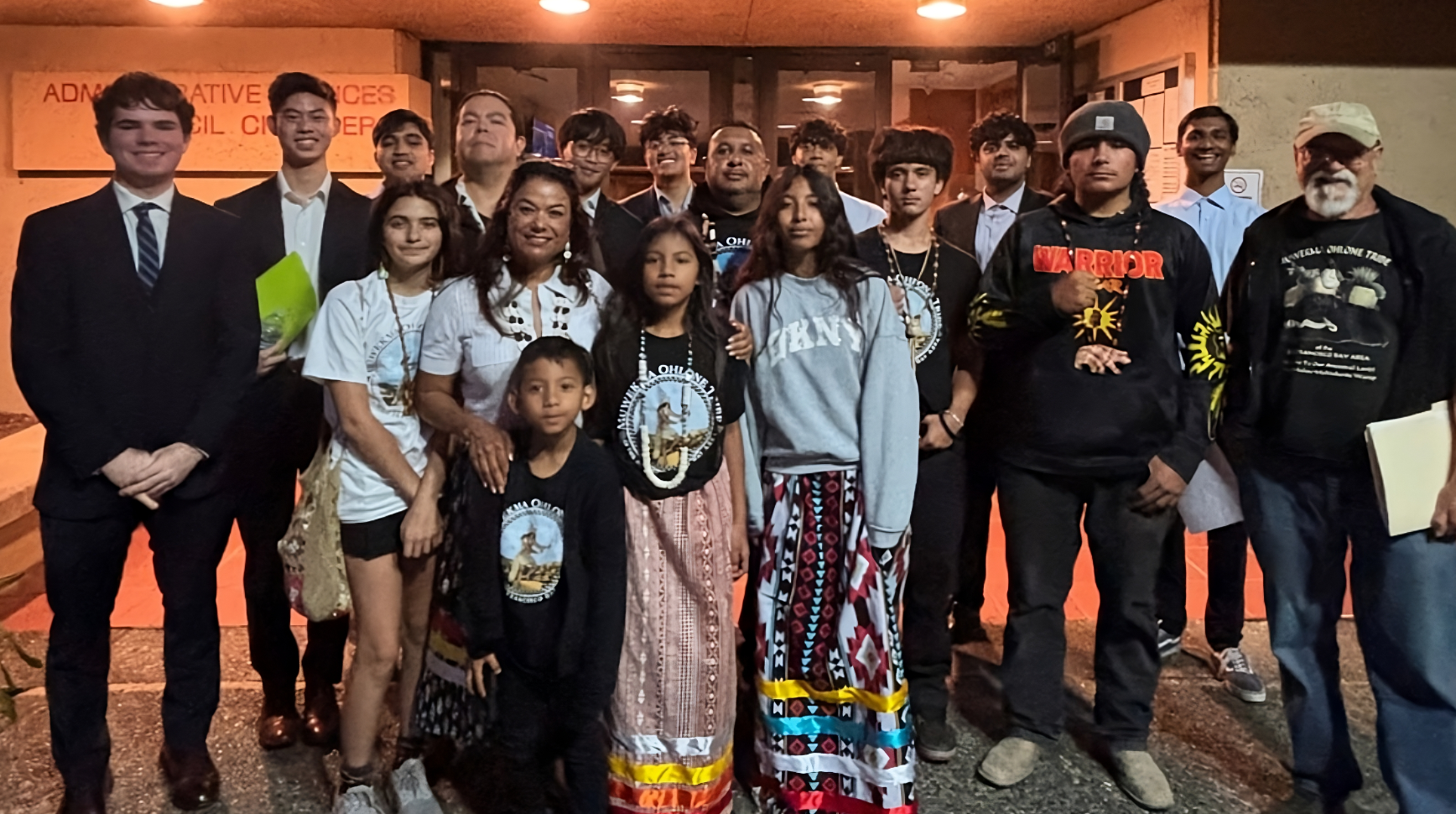
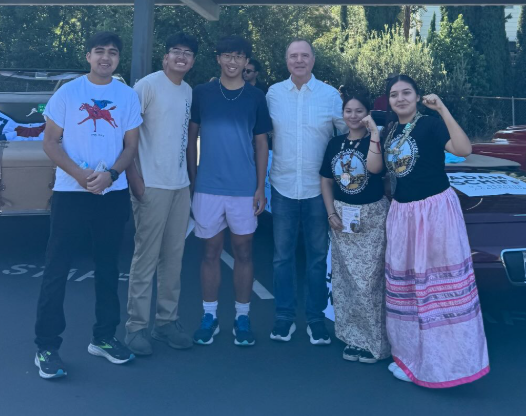
IJC's work, including its push for federal recognition of the Muwekma Ohlone Tribe, has been covered by:
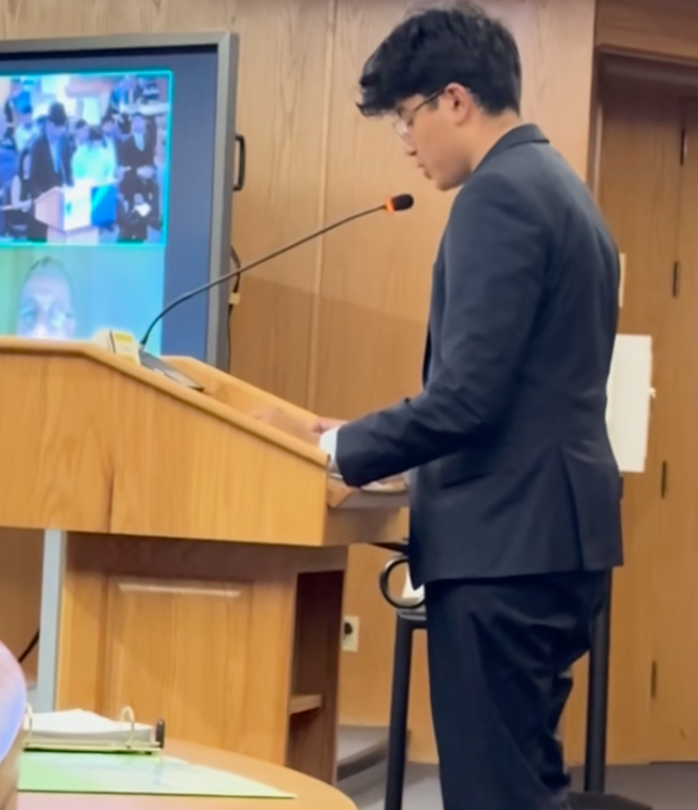
Los Altos Town CrierMuwekma Ohlone tribe pushes for federal recognition, aided by South Bay youth
The Mercury NewsStudents ask Saratoga council to advocate for Indigenous tribe recognition
The Saratoga FalconOpinion: The city of Saratoga should acknowledge the Indigenous land it rests on
KALWIJC meets with Congress seeking Muwekma Ohlone federal tribal recognition
Tri-City VoiceUnion City resolution calls for federal recognition of the Muwekma Ohlone
Local News MattersSan Jose nonprofit mobilizes students to help the Muwekma Ohlone gain federal recognition
SFGATEStudents mobilize to help the Muwekma tribe gain federal recognition
Pleasanton WeeklyStudents mobilize to help the Muwekma Ohlone tribe gain federal recognition
First author · Stanford Pediatrics Internship Program (PIPS)
Summary
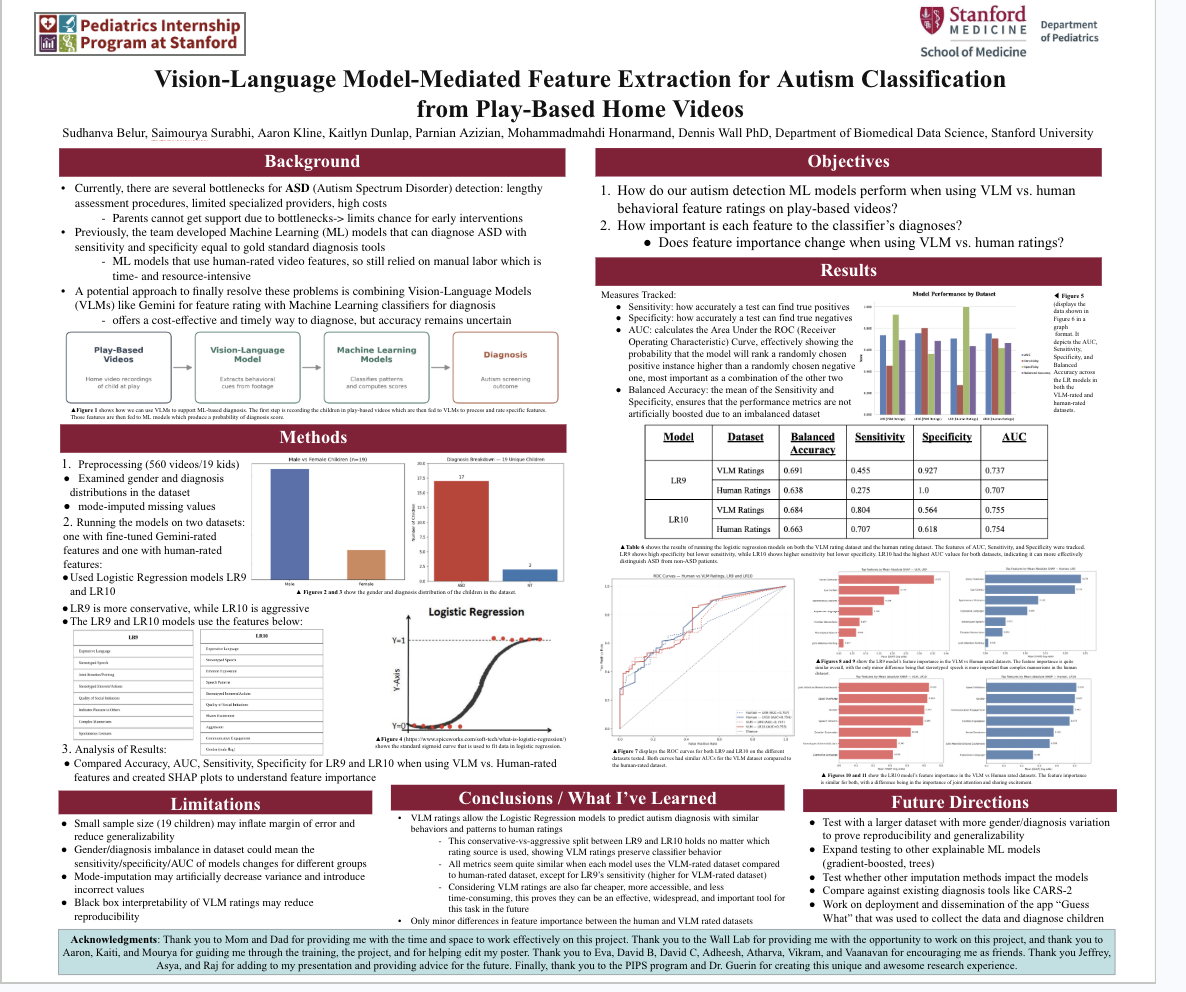
Diagnosing autism spectrum disorder (ASD) often takes long assessments, scarce specialists, and high costs, which delays early support for families. The Wall Lab had built machine learning models that diagnose ASD from home videos, but they depend on people watching each video and rating behaviors by hand. This project tested whether a vision-language model (Google's Gemini) could rate those same behaviors instead, making screening faster and cheaper.
What I did
Prepared a dataset of 560 play-based home videos from 19 children, checked its gender and diagnosis balance, and filled in missing values
Ran two of the lab's logistic regression classifiers (LR9, more conservative, and LR10, more aggressive) on features rated by Gemini and by human raters
Compared balanced accuracy, sensitivity, specificity, and AUC, and used SHAP plots to see which behaviors drove each model's predictions
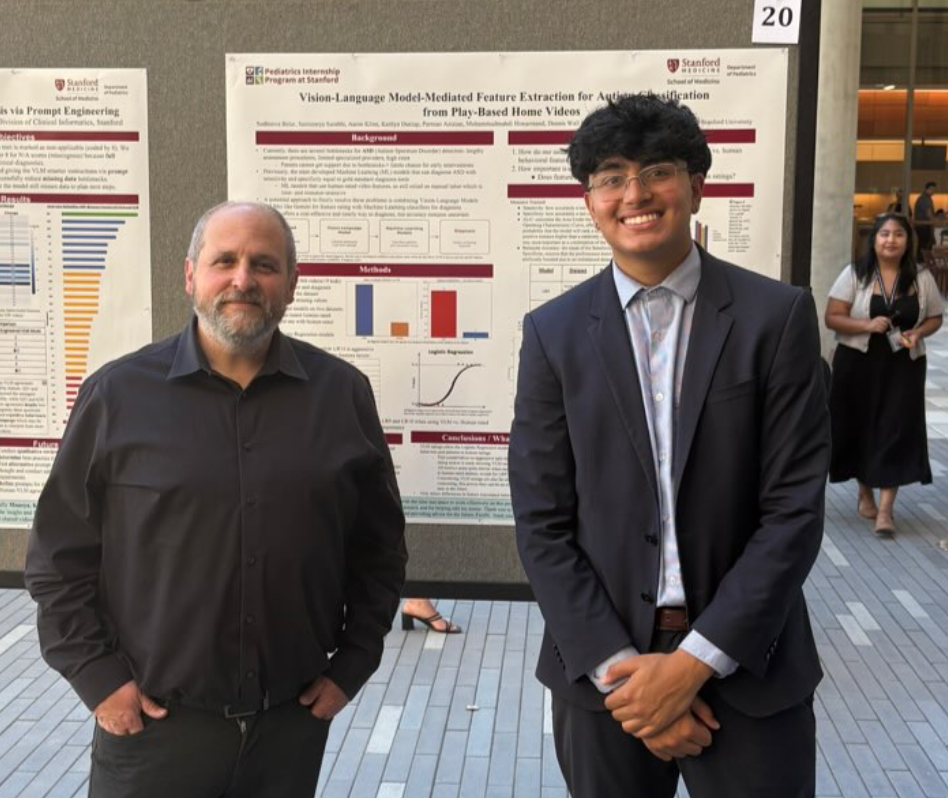
Presented the results as a research poster
Key findings
With AI-rated features, both models performed about as well as with human ratings, and in some measures slightly better
Feature importance was very similar between the two rating sources, with only minor differences
Because AI ratings are far cheaper and faster, they could make video-based autism screening easier to reach
Model
Ratings
Balanced Acc.
AUC
LR9
AI (Gemini)
0.691
0.737
LR9
Human
0.638
0.707
LR10
AI (Gemini)
0.684
0.755
LR10
Human
0.663
0.754
Next steps
The study used only 19 children, so the next step is testing on a larger, more balanced dataset, trying other explainable models, and comparing against existing diagnostic tools such as CARS-2.
Research poster, Pediatrics Internship Program at Stanford. Click to enlarge.
With Dr. Lee Panich, Santa Clara University · Indigenous Justice Coalition
A Comparative Analysis of Language in Indigenous Federal Recognition Legislation
Researcher, as a leader of the Indigenous Justice Coalition
Summary
When Congress recognizes or restores a tribe, the exact wording of the bill shapes how much control that tribe has over its land, services, and government. Our team compared the language of eleven federal recognition and restoration acts to see how each provision affects tribal sovereignty. The goal was a reusable template and best practices for writing future recognition bills.
What I did
Analyzed eleven acts, including the Menominee Restoration Act, the Graton Rancheria Restoration Act, the Lumbee Fairness Act, and the Thomasina E. Jordan Indian Tribes of Virginia Federal Recognition Act
Split each bill into eight provision types, such as recognition, eligibility for federal services, membership rolls, governing bodies, trust land, and jurisdiction, then tracked how often key phrases appeared
Turned the findings into best-practice recommendations and a template for future legislation
Key findings
Land: Most bills (6 of 8) say the Secretary of the Interior "shall" take land into trust rather than "may." "Shall" removes agency discretion and makes land acquisition more predictable.
Recognition: Bills split evenly (5 to 5) between "extending" recognition, which creates new federal status, and "affirming" it, which acknowledges a tribe's continuous existence. The right choice depends on the tribe's prior status.
Services: Almost every bill (10 of 11) grants federal services without requiring a reservation, which widens access.
Governance: Bills either rebuild tribal government through an interim council or continue the tribe's existing government (5 to 4). We recommend continuity because it better respects tribes as sovereign nations.
Recommendations
The paper combined these findings with new provisions on healthcare, technical assistance, education, and cultural reparations to create a replicable outline for future bills. It also calls for more research on long-term outcomes and the barriers tribes still face in gaining recognition.
January 2024 – February 2025
The Attenuating Effect of Dimethyl Sulfoxide and Sodium Hydroxide on the Degradation and Dissolution of PFAS in Water
Head Researcher
Summary
PFAS, often called "forever chemicals," are pollutants that don't break down naturally and build up in drinking water. This project tested how dimethyl sulfoxide (DMSO) and sodium hydroxide affect the degradation and dissolution of PFAS in water.
What I did
Led the project as head researcher, working about 3 hours a week for over 8 months
Handled DMSO and sodium hydroxide under supervision to test their effect on PFAS in water
Presented the results at the 2025 Synopsys Science Fair
Awards (2025 Synopsys Science Fair)
1st Place, Valley Water Awards
Honorable Mention, SAMPE
Stockholm Junior Water Prize Regional Award
Coursework & Testing
Honors and AP classes, with grades for each semester and AP exam scores.
Test Scores
1590 / 1600
SAT
1500 / 1520
PSAT/NMSQT
National Merit Semifinalist (2026–27), based on the PSAT/NMSQT.
Honors & AP Classes
Class
Taken
Sem 1
Sem 2
AP Exam
"—" means the class has no AP exam. Senior-year classes are in progress.
Summer Programs & Work
Research internships, clinical training, and work outside of school.
Research Intern, Stanford Pediatrics Internship Program (PIPS)
Wall Lab, Stanford Department of Biomedical Data Science · Summer 2026 · 8 weeks
Selected for an eight-week biomedical research internship through Stanford's Department of Pediatrics
Joined Dr. Dennis Wall's lab and led a project testing whether an AI vision-language model could replace human raters in video-based autism diagnosis
Processed 560 home videos, ran the lab's diagnostic models, and analyzed results with Wall Lab mentors
Presented my findings as first author on a research poster (see Research)
Gained exposure to clinical and translational medicine
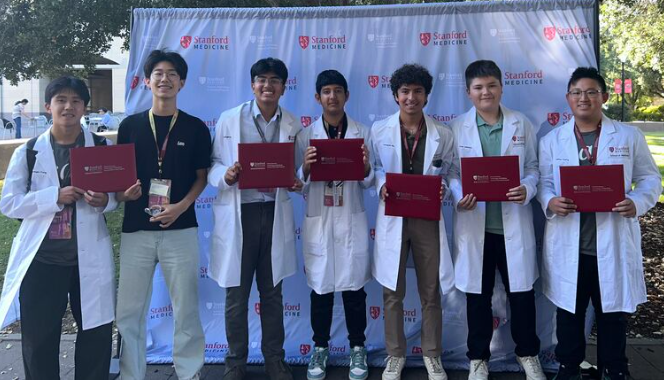
Stanford Anesthesia Summer Institute (SASI)
Stanford School of Medicine, Department of Anesthesiology, Perioperative and Pain Medicine · Foundations and Clinical Skills tracks
Completed both of SASI's on-campus tracks: the two-week Foundations program and the one-week Clinical Skills intensive
Foundations: learned the basics of clinical medicine, science, and technology through hands-on simulations, such as responding to a cardiac arrest, and a capstone project
Clinical Skills: practiced advanced airway techniques and worked through complex patient scenarios
Learned from Stanford faculty and patient educators about patient-centered, compassionate care
Moderator, International Academic Competitions
IAC tournaments · 10th grade – present · about 8 hours a year
Moderated quiz rounds, reading questions, ruling on answers, and keeping score
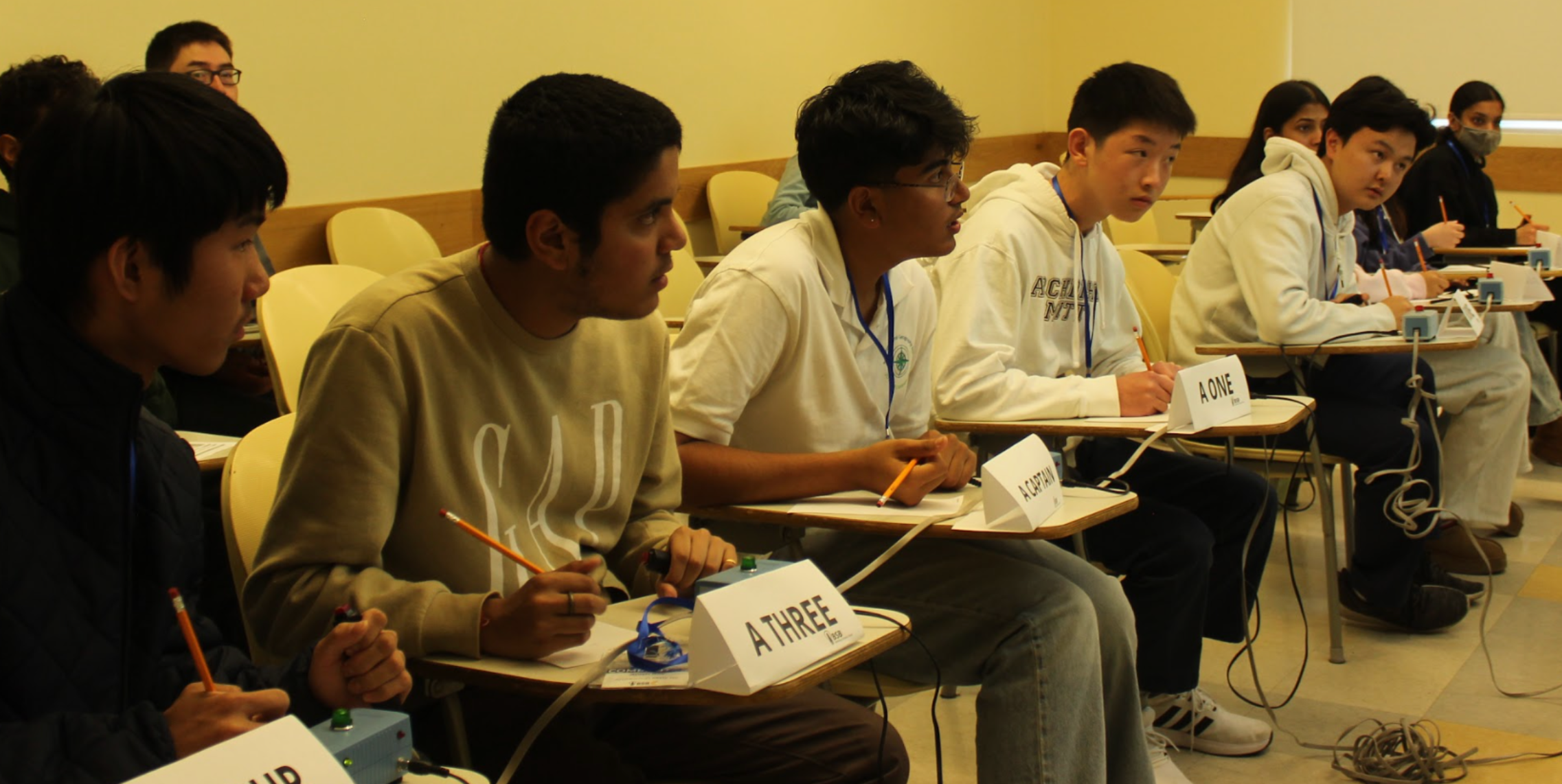
Gave back to the competitions I grew up in, after competing in IAC events since 9th grade
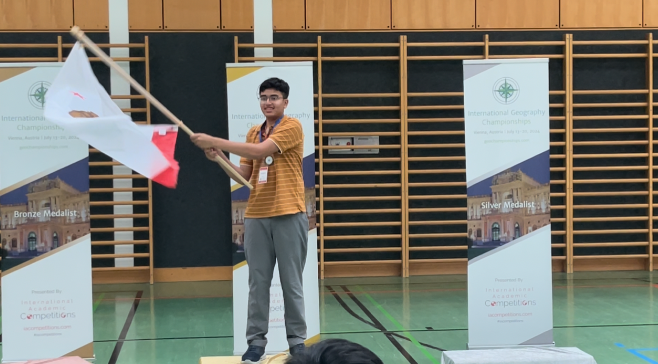
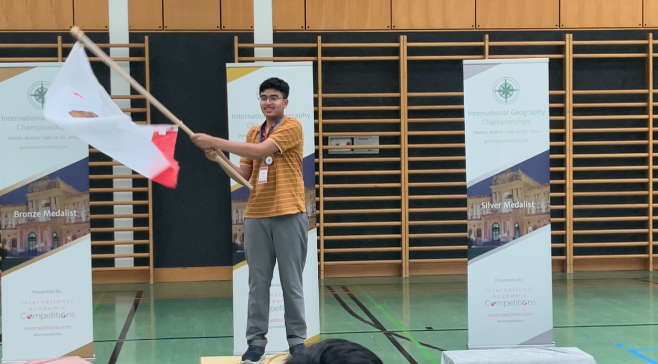
International Geography Championships
Vienna, Austria · Summer 2024
Traveled to Vienna to compete in the high school division against students from around the world
Competed in a mix of buzzer rounds and written geography exams